Starting point: From technical specialist to team leader
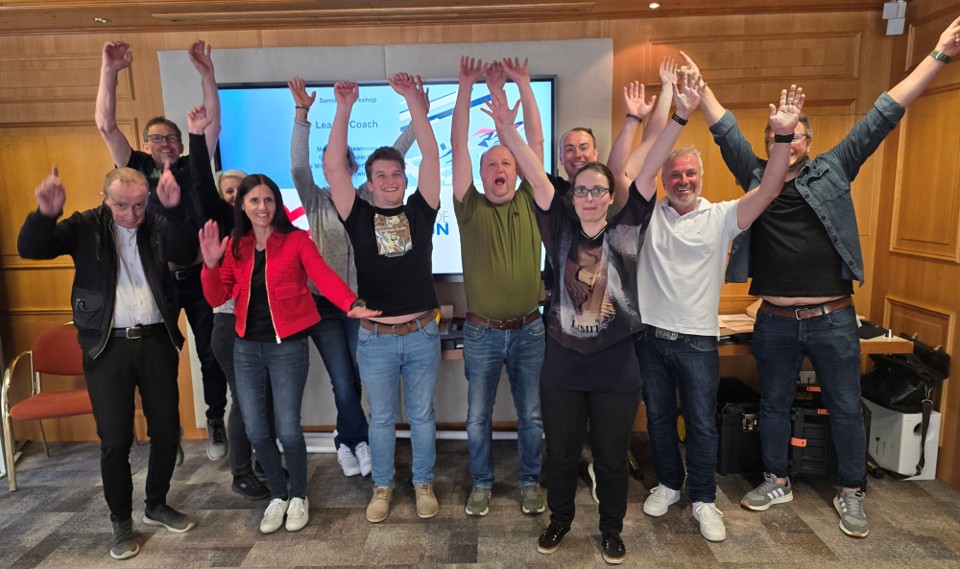
It is a familiar situation in many organisations: people who do excellent technical work get promoted. Around twelve new team leaders and lead technicians at a municipal utility faced that challenge. They were promoted internally and put in charge of teams of up to eight colleagues. Their technical expertise was excellent. They now needed to learn to lead.
The challenge: The face of the organisation
Team leaders and lead technicians are on the front line. To staff, they are the face of the organisation. Good leadership helps teams commit to the work. Poor leadership can lead to people doing the minimum or leaving. The challenge was to build interpersonal and practical leadership skills on top of their technical expertise, in a way that would stick in a busy working day.
The approach: Leadership as continuous learning
Putting it into practice: Three pillars
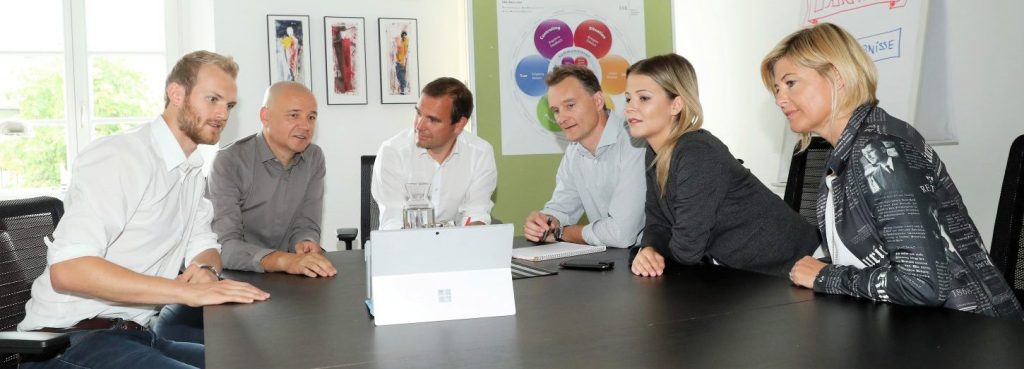
Together with the company, we designed a development programme called “I and we: strong individually, unbeatable together”. We opted for half-day workshops that fitted into a busy working schedule. Their focus could adapt to the problems participants were facing at the time.
Over about a year, the group met for ten compact half-day workshops. A learning journal and optional coaching supported work in three areas:
- Self-leadership: Time management, personal organisation, leading by example and building useful new habits.
- Inspiring people: Reflecting on your role, understanding different people’s motivations and adapting your leadership style by directing, discussing or delegating.
- Speaking plainly: Building a healthy culture around mistakes, giving constructive criticism and handling conflict and resistance with confidence.
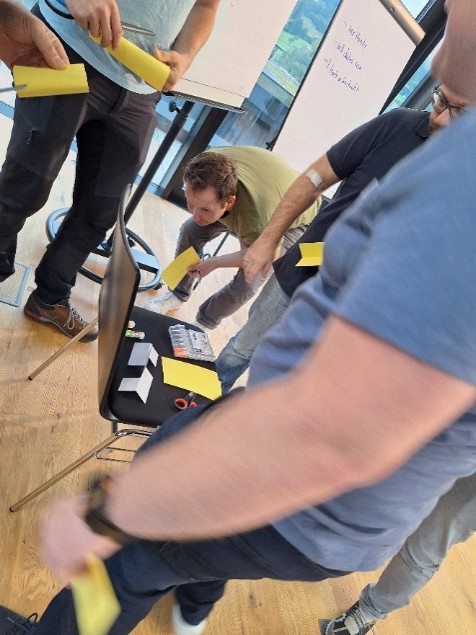
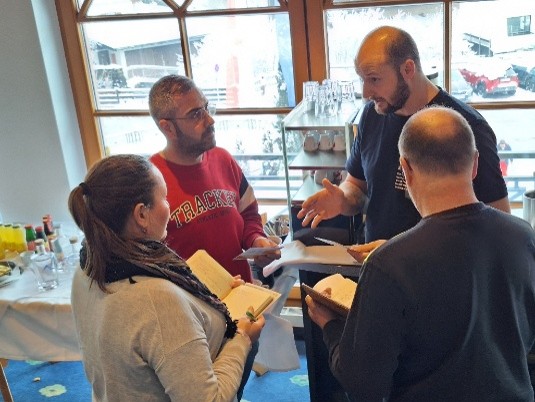
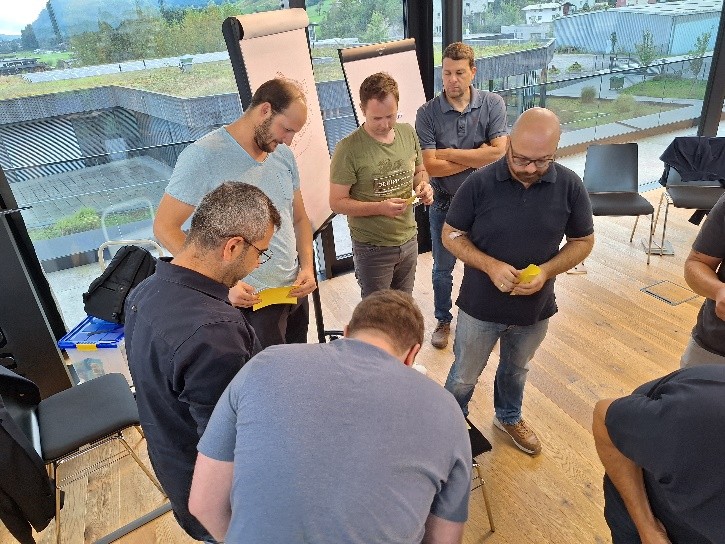
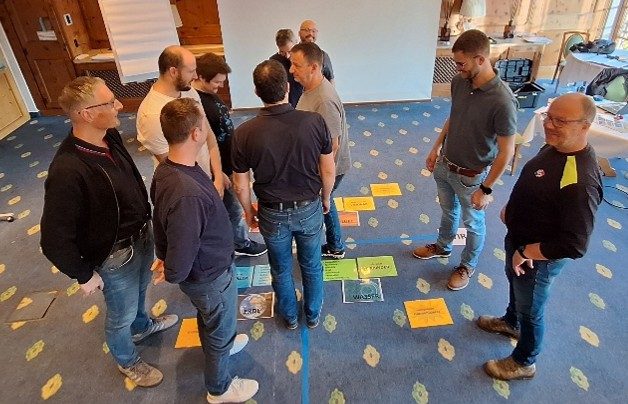
Participants worked through experiments, lively discussions and exercises drawn from their own day-to-day work.
The result: Lasting success through strong support
The team leaders made the transition successfully. They now share an understanding of leadership that strengthens collaboration across departments. They can handle difficult situations with confidence and motivate teams towards shared goals. This helps sustain the company’s performance and creates a workplace where people willingly take responsibility. MG